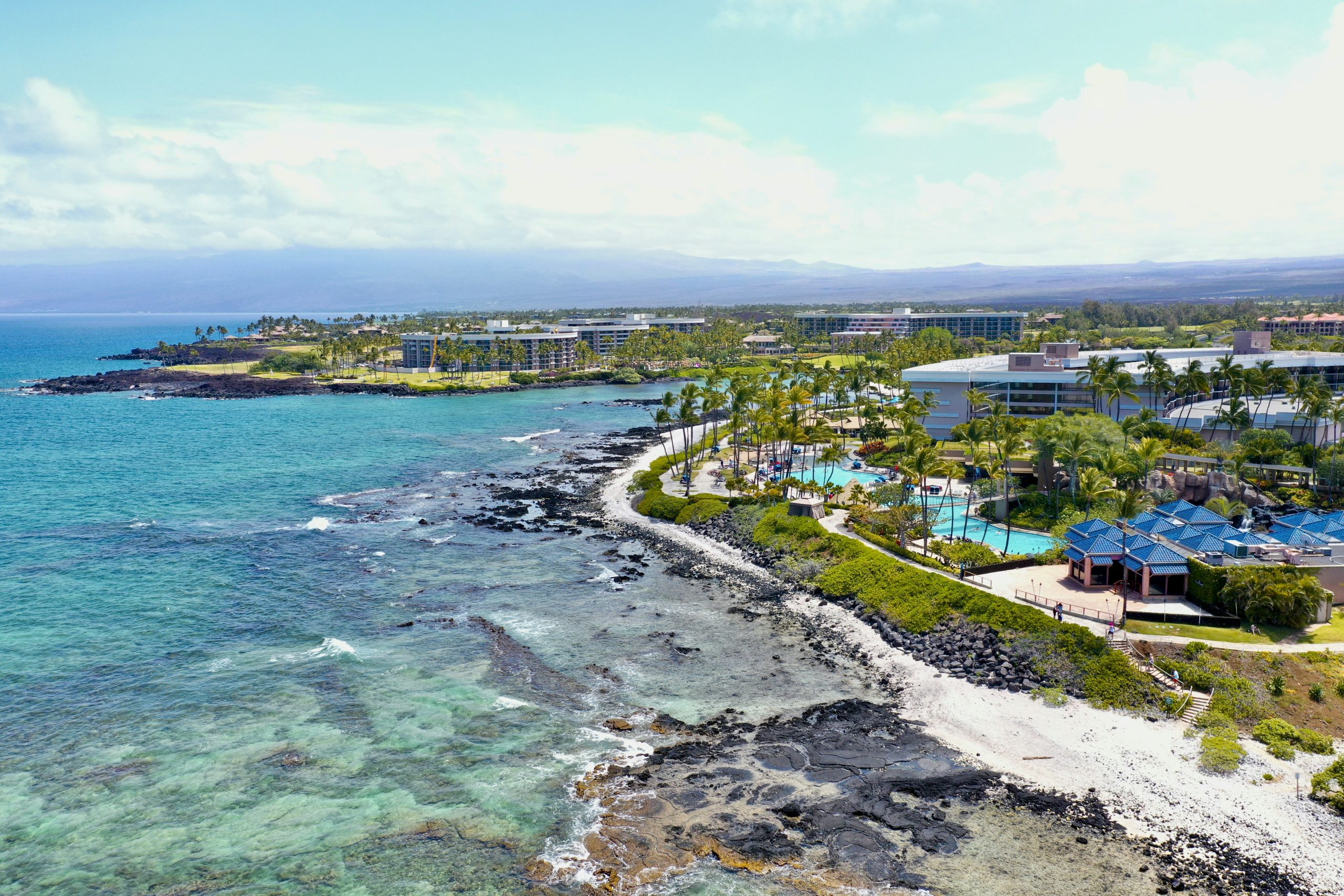
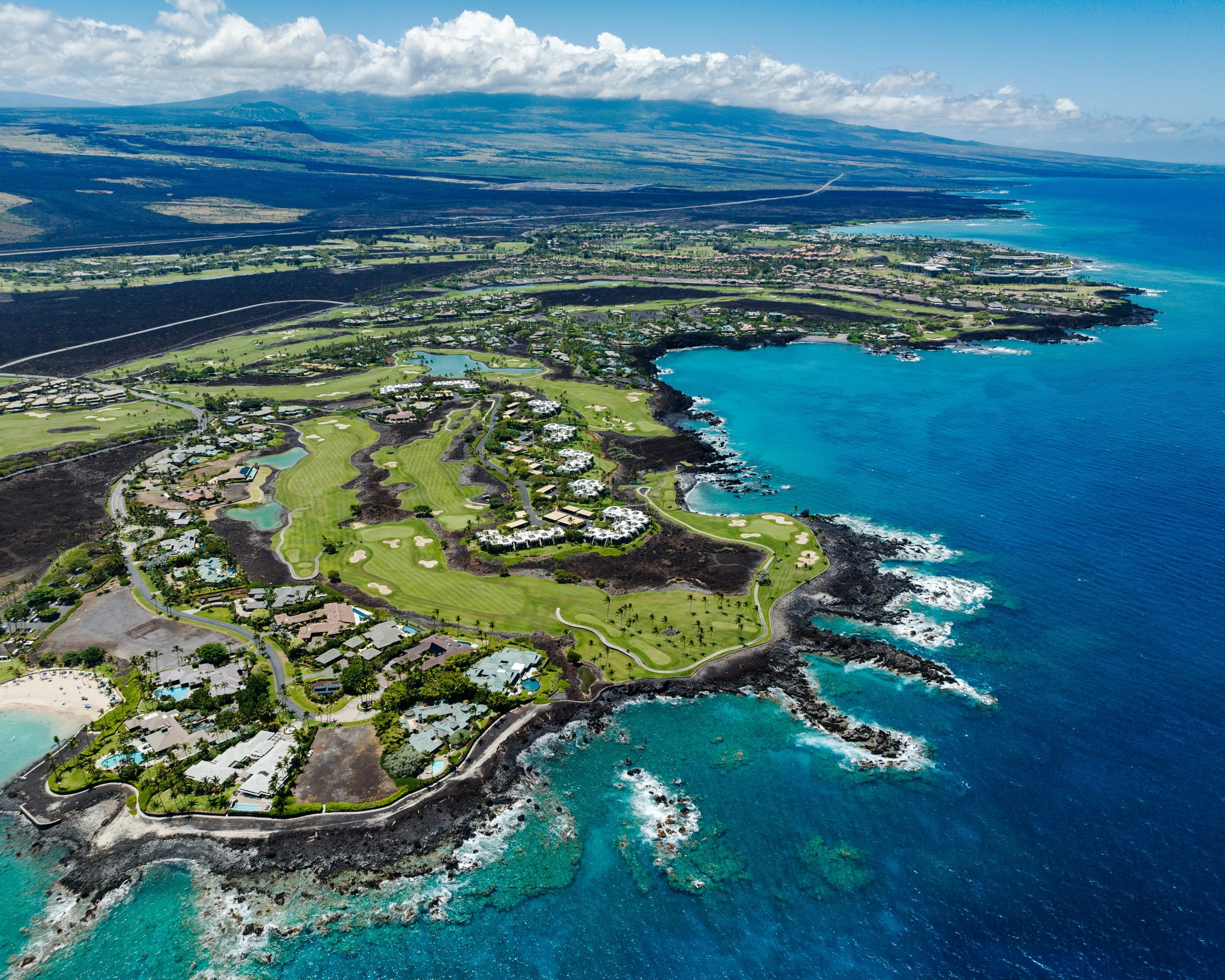
In nearly 20 years of selling real estate on the Kohala Coast, I’ve watched markets cycle up and down. What I’ve noticed about Mauna Lani is that it holds up differently than a lot of other areas — and there are real reasons for that, not just real estate hype.
The most fundamental driver is simple: there isn’t much of it. The Kohala Coast’s shoreline is largely built out, preserved, or constrained by resort master plans. Hawai’i also has strong shoreline and cultural protections that limit new development near the water. When supply is genuinely limited and demand stays steady, prices have a floor.
Mauna Lani isn’t just a neighborhood — it’s a resort community with two championship golf courses, a private beach club, resort dining, spa, and pools. The beach club access in particular is something buyers talk about constantly. Private shoreline access is rare in Hawaii (state law protects public beach access, but managed resort amenities are a different matter). When a property comes with clear, transferable access to a private beach club, that’s a meaningful differentiator.
The community also includes important Native Hawaiian cultural and archaeological sites that are preserved in place. This isn’t just historically significant — it protects open space and view corridors in ways that zoning alone doesn’t always guarantee. Buyers who care about the land’s character, not just its amenities, respond to that.
There’s a reason Mauna Lani attracts a buyer who’s often choosing between this and comparable resort markets in the Caribbean or Pacific. The west-facing sunset views, the trade wind climate, the integration of golf and beach — it creates a daily experience that’s genuinely hard to replicate.
That lifestyle demand is real and it’s consistent. Even when broader market conditions soften, properties here tend to attract serious, qualified buyers with a long view on ownership.
None of this means every Mauna Lani property is a slam dunk. Carrying costs are real: HOA dues, resort fees, insurance (plan carefully for wind and flood coverage given coastal proximity), and property taxes all add up. If you’re buying near the shoreline, review FEMA flood maps and think about long-term coastal exposure — this is responsible ownership in any coastal market.
Beach club and golf memberships vary by property. Some transfer cleanly at sale; others have restrictions or waiting lists. Confirm the details for any specific unit before you write an offer, because membership terms can meaningfully affect your resale pool.
If rentals are part of your plan, check HOA rules first — some communities at Mauna Lani permit short-term rentals and others don’t.
Mauna Lani holds its value because it’s genuinely scarce, genuinely beautiful, and managed well. That combination is rare. If you’re considering a purchase here — whether as a second home, a retirement base, or an investment — I’d love to walk you through the current inventory and help you find the right fit.
Every move starts with a conversation. Whether you’re just exploring or ready to make a move, I’m here to help.