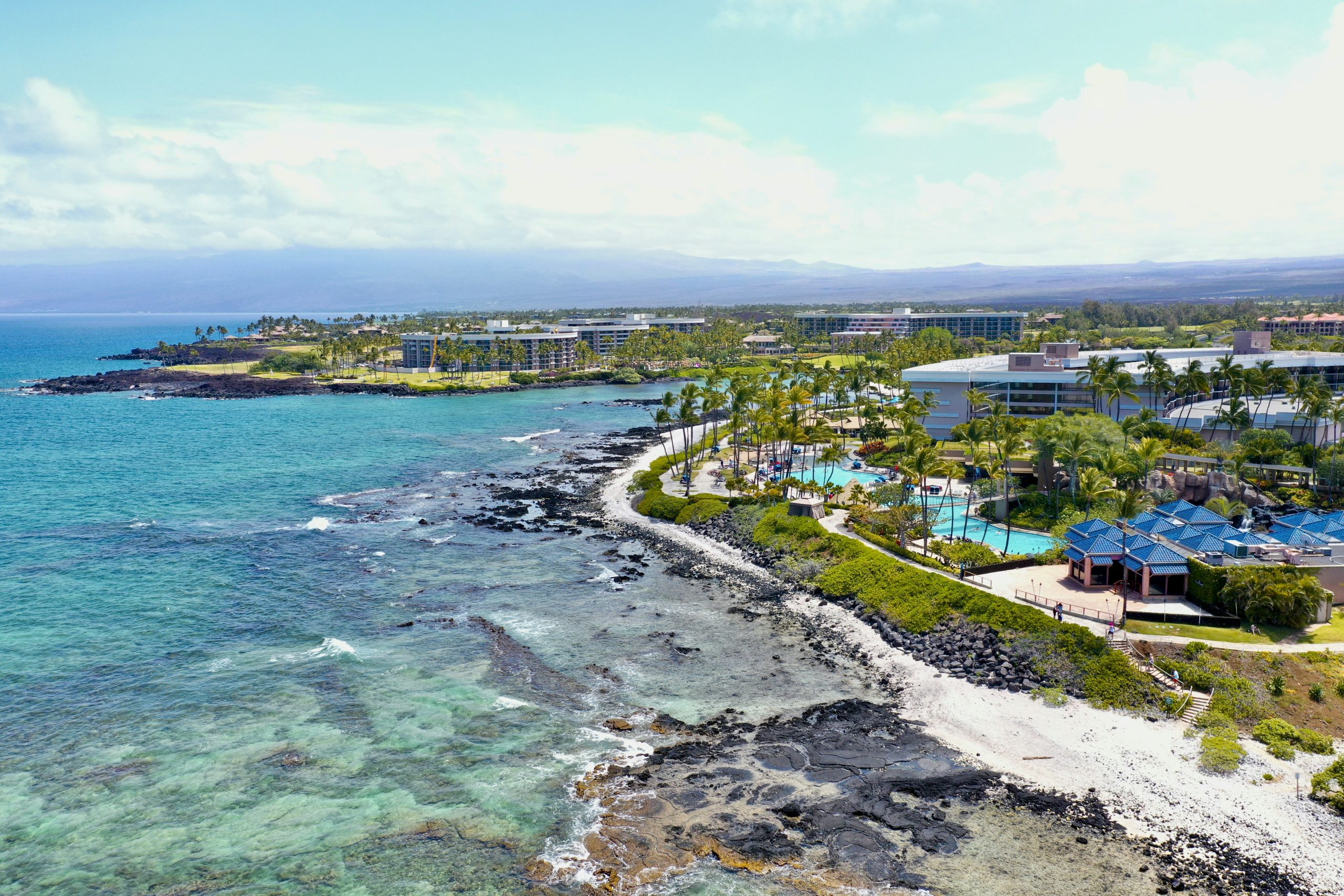
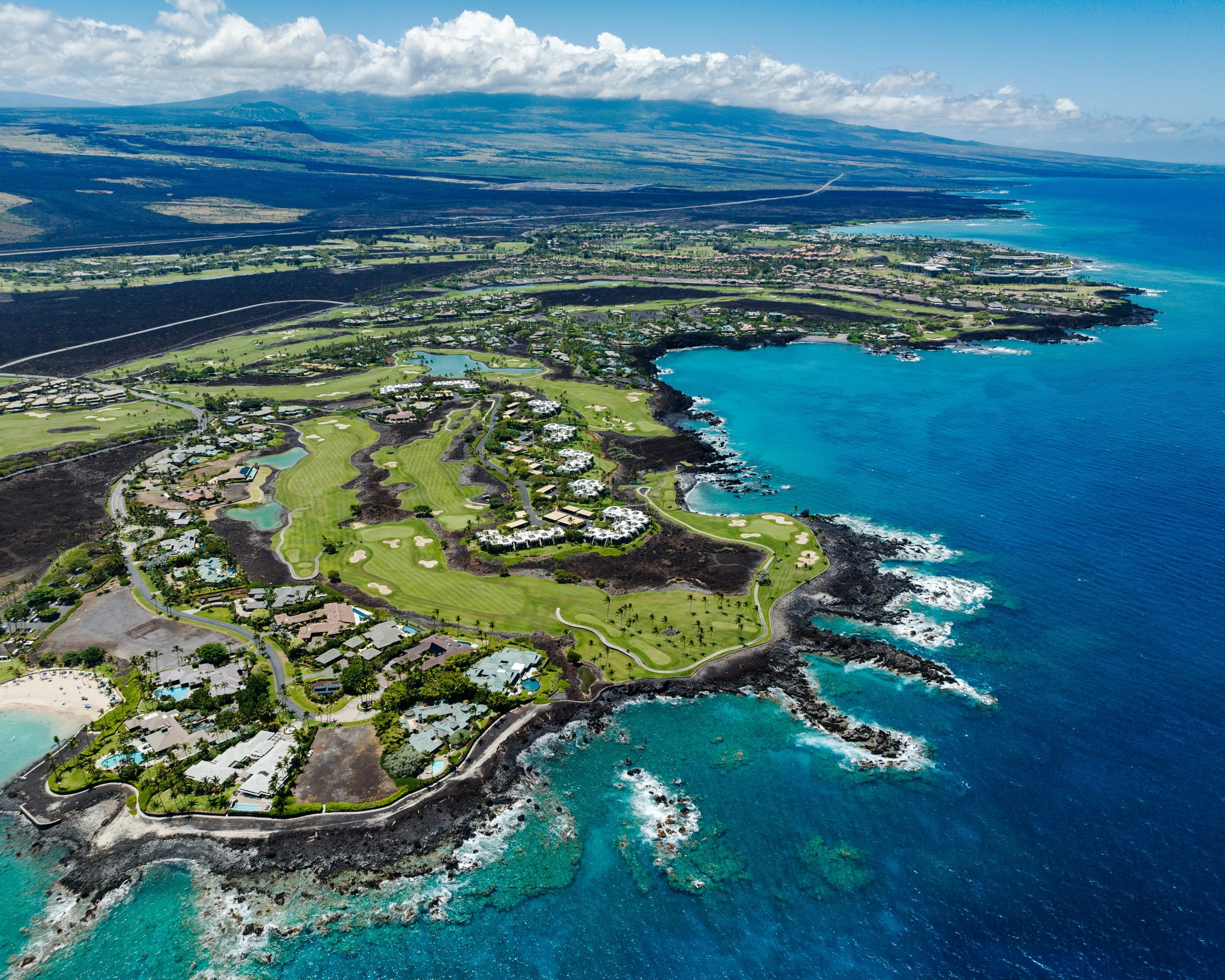
This is one of the most personal decisions in West Hawaii real estate, and I’ve seen buyers go both ways. Some people need to hear the ocean from their bed. Others are perfectly happy with a sweeping view from an elevated perch and lower carrying costs. Neither is wrong — but they’re very different purchases.
“Oceanfront” typically means the property or building sits directly on the shoreline, with immediate access to the beach or near-shore area. For a condo, it means the building has no road or other parcel between it and the water. The experience is immersive — you hear the surf, feel the salt air, and can walk to the water in seconds.
“Ocean view” means you have a clear view of the water without necessarily touching the shoreline. In condos, higher floors often carry the best view premiums. Views can range from expansive to partial, and they can change over time with vegetation growth or neighboring development.
One thing Hawaii buyers need to know: the “certified shoreline” is an official line set by the state’s DLNR, and it determines setbacks, permits, and public access rights. Before relying on any listing’s claim of “oceanfront,” verify the actual boundary through official DLNR records.
Being right on the water is extraordinary — and it comes with a maintenance reality that buyers sometimes underestimate. Salt air, airborne chlorides, UV, and wind-driven moisture accelerate wear on everything: paint, metal hardware, window seals, HVAC systems, roofing, and structural elements.
Expect to repaint or refinish exterior surfaces more frequently — many coastal owners are on a 3–7 year cycle depending on materials. Mechanical systems need more regular service. If you’re buying a condo, look carefully at the building’s HOA reserves and maintenance history. Buildings that sit directly on the shoreline carry higher operating costs, and that has to be funded somewhere.
Insurance is more complex too. Oceanfront properties often fall within FEMA Special Flood Hazard Areas, which can trigger lender requirements for separate flood insurance on top of your standard homeowner coverage. Wind and hurricane coverage for coastal properties can also carry higher premiums and deductibles. Get quotes early — before you’re under contract.
I want to push back on the idea that ocean view is somehow second-best. At Mauna Kea and Hapuna, an elevated ocean-view unit can be stunning — panoramic west-facing views, beautiful sunsets, strong trade wind breezes, and a quieter setting that’s a short walk or cart ride from the beach.
The carrying costs are often more manageable: lower insurance premiums, less intense maintenance, and sometimes better financing terms. When it comes time to sell, the buyer pool for ocean-view properties can also be broader than for direct oceanfront — which affects your liquidity.
In condo buildings, floor level and orientation are where a lot of the value lives. Higher floors generally offer stronger panoramic views and more privacy. But exposure to salt spray and wind can also increase with height, depending on building design. Look at façade condition and the building’s maintenance records as carefully as you look at the view.
A few things I ask every buyer to check on any coastal purchase here: FEMA flood zone status, DLNR shoreline certification, tsunami evacuation zone designation, and the building’s reserve study (for condos) or the property’s permit and maintenance history (for single-family). These aren’t scary — they’re just responsible due diligence in a coastal market.
If you want a side-by-side look at what’s available oceanfront versus ocean view in the Mauna Kea and Hapuna corridor right now, reach out. I know this inventory well and I’m happy to walk you through the tradeoffs on any specific property.
Every move starts with a conversation. Whether you’re just exploring or ready to make a move, I’m here to help.